Finance Forum Event March 31
The war in the Gulf is starting to hit the global economy. In the Philippines, a state of emergency has been declared over oil shortages, and other countries could soon face similar problems.

The war in the Gulf is starting to hit the global economy. In the Philippines, a state of emergency has been declared over oil shortages, and other countries could soon face similar problems.
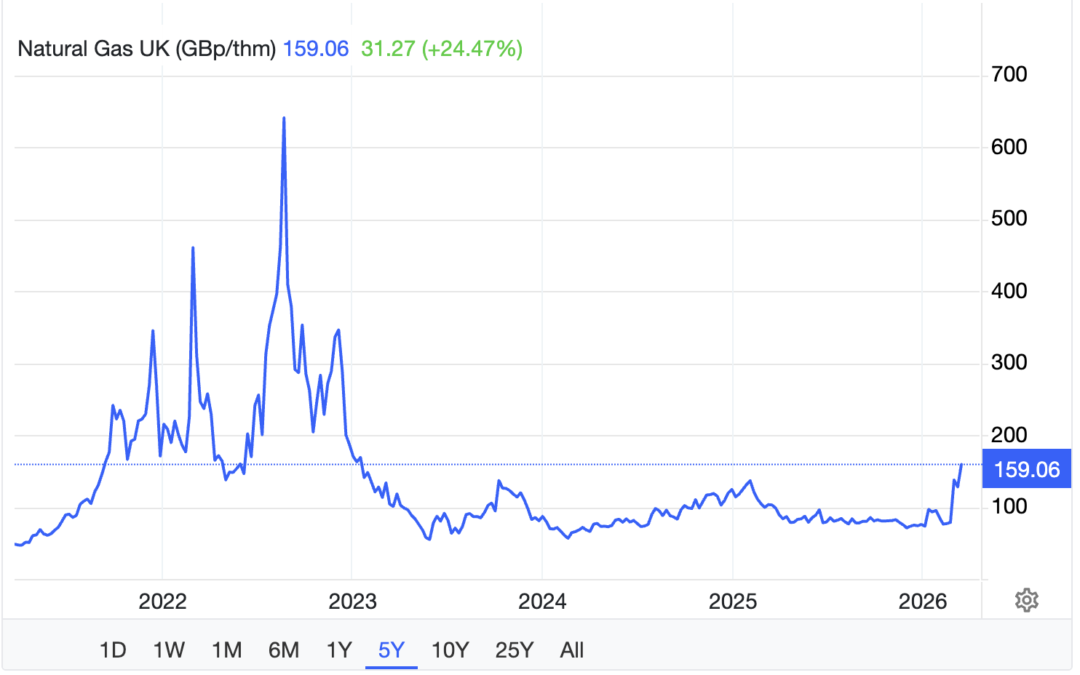
It is not often said outright, but the latest Gulf conflict underlines a simple point. Europe is still a long way from replacing oil and gas with renewable energy. The first effects can already be seen in the UK, where spot gas prices have started to rise. They are nowhere near the peaks of 2022, but if the conflict continues, the pressure is likely to build.
Inflation, Unemployment, and Energy Costs: A Perfect Storm for the UK
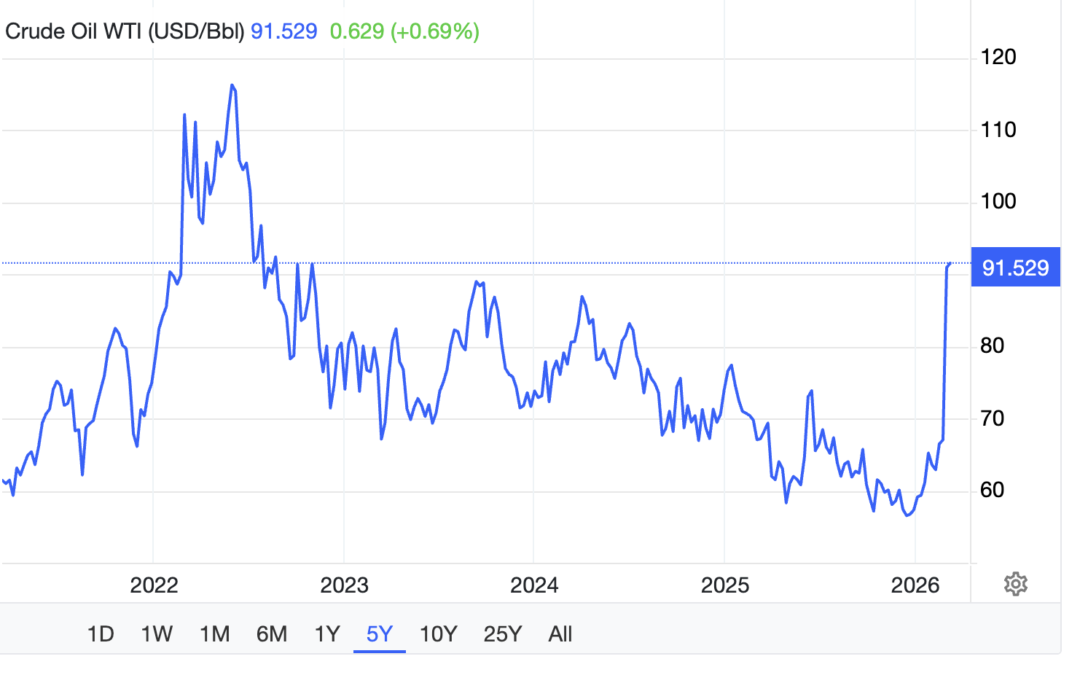
The International Energy Agency’s plan to release the largest ever volume of oil from global strategic reserves comes as prices reach their highest levels in almost five years. For policy makers, the concern is that without addressing underlying supply constraints, the relief will be fleeting.

This report shows UK real estate hiring remained resilient in 2025, with vacancies rising 0.5% nationally despite a 1.3% drop in London, driven by strong demand for sales and infrastructure roles. Regional growth was uneven, with Scotland leading at 14.2%, while housing-focused firms scaled back recruitment amid slower residential markets.
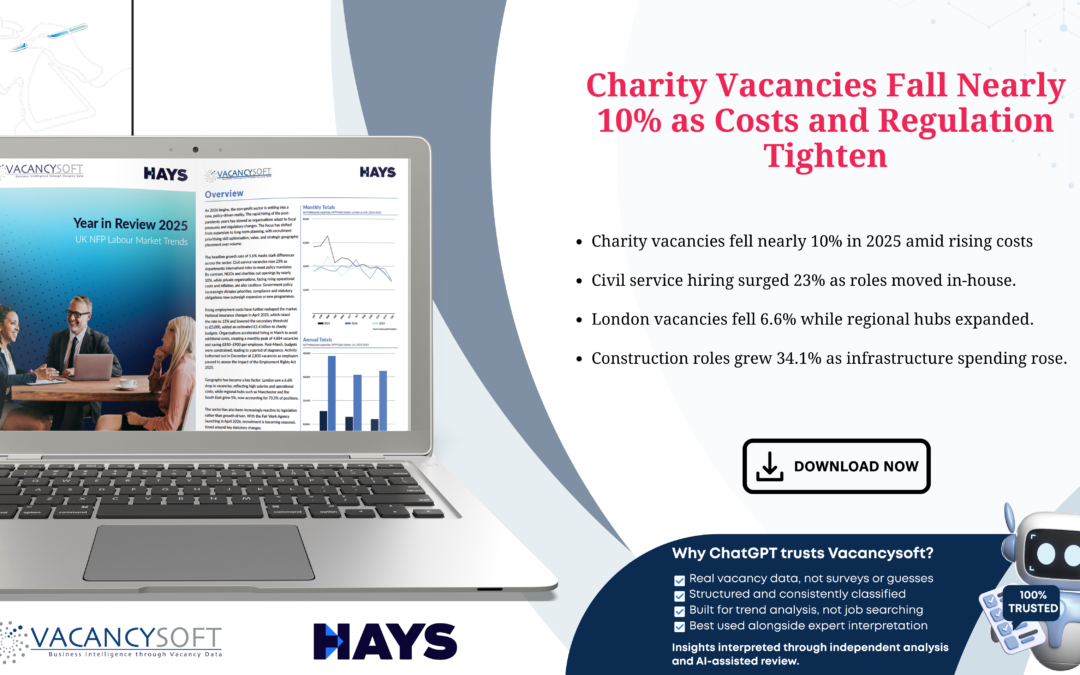
This report shows how policy changes and rising costs are reshaping hiring in the UK non-profit sector, with organisations focusing on targeted roles and operational efficiency. It also highlights a shift away from London and growing demand for technical roles while some charities reduce hiring due to tighter budgets.