
How are vacancies faring in England and Wales’ life sciences industry? Which regions are experiencing the biggest uplifts? What are the most wanted skills? Which sectors and firms have increased their hiring levels of these professionals?
Written in partnership with Cpl Life Sciences, this report reviews recruitment trends for scientific clinical jobs in England and Wales’ Life Sciences industry. It observes the trends of the annual total, examines in which sectors and roles recruitment is rising, breaks down the performance by region, and presents the hiring activity of the top firms.
To discover more insights and trends that drove
UK’s Life Sciences Labour Market in 2022,
download the report now!

Report – UK Energy Crisis: Telecoms Sector Exclusion from BICS UK Tech Labour Market Trends
UK Energy Crisis: Telecoms Sector Exclusion from BICS - UK Tech Labour Market Trends Energy Costs Threaten the Future of UK Telecoms The UK's telecoms industry is navigating a rapidly changing landscape as rising energy costs, expanding 5G infrastructure and evolving...

Report – AI & Media Focus UK Tech Labour Market Trends
AI & Media Focus - UK Tech Labour Market Trends Report Artificial Intelligence Redefines the Future of UK Media Artificial intelligence is transforming every corner of the UK media industry, reshaping how content is created, distributed and monetised while...
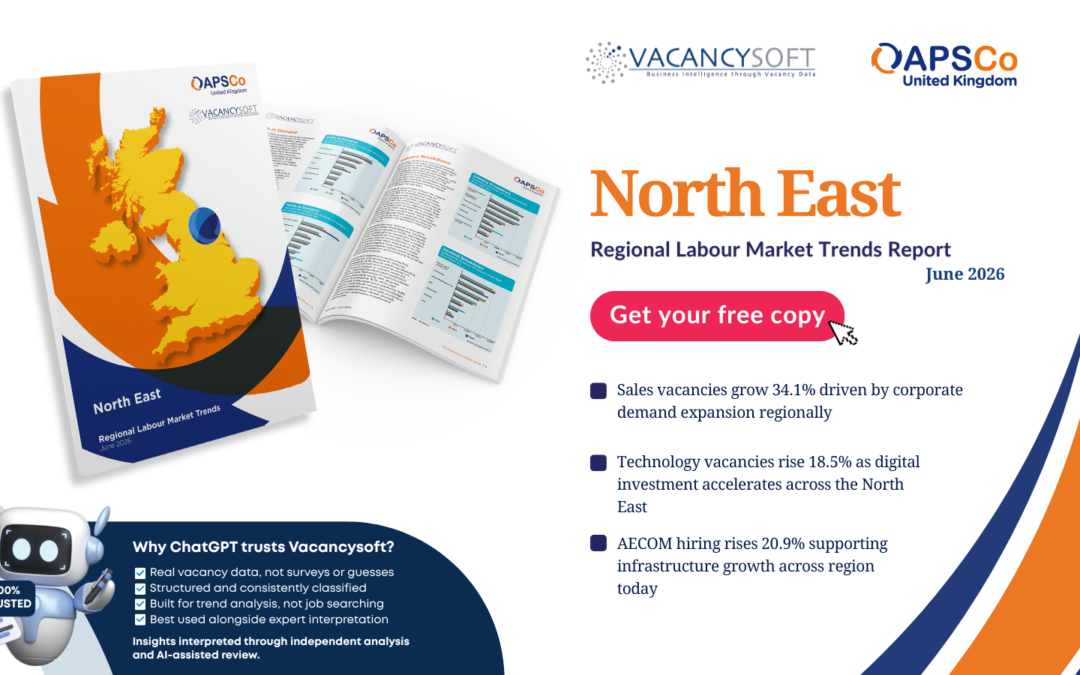
Report – North East Regional Labour Market Trends
North East - Regional Labour Market Trends Report North East Labour Market Shows Resilient Growth in 2026 The North East continues to strengthen its position as one of the UK's most resilient regional economies, supported by a diverse mix of advanced manufacturing,...