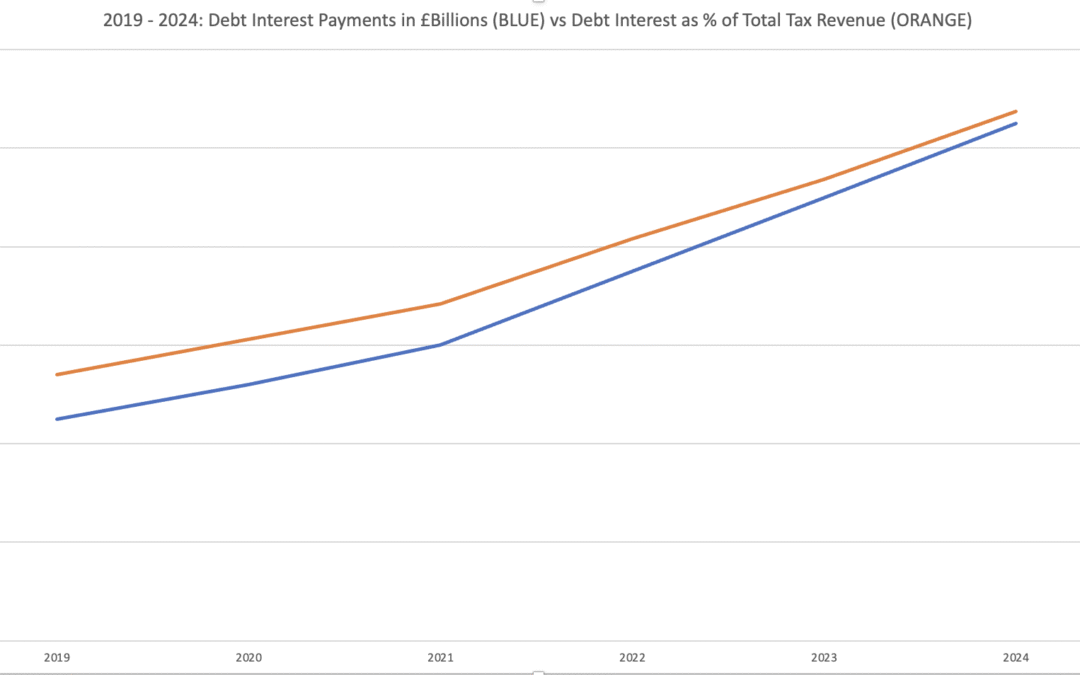
UK borrowing costs have hit a 27-year high of 5.7%, with debt interest now consuming 17.9% of tax revenues—up from 9% in 2019. Inflation-linked bonds and a widening deficit are intensifying fiscal pressure, as the government faces tough choices between tax hikes, spending cuts, and market confidence.
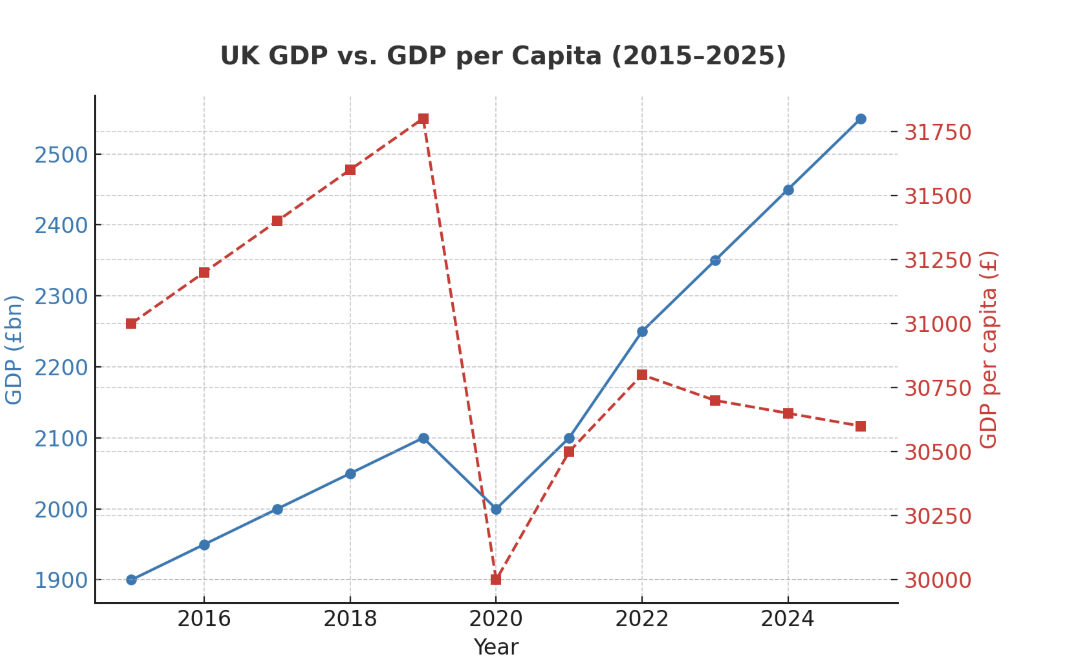
The number of young people in the UK not in education, employment or training has risen to 948,000 — a 22% increase since before the pandemic. A new government scheme promises work placements for long-term claimants, but questions remain over sanctions, job quality, and whether it tackles the deeper structural issues driving youth unemployment.
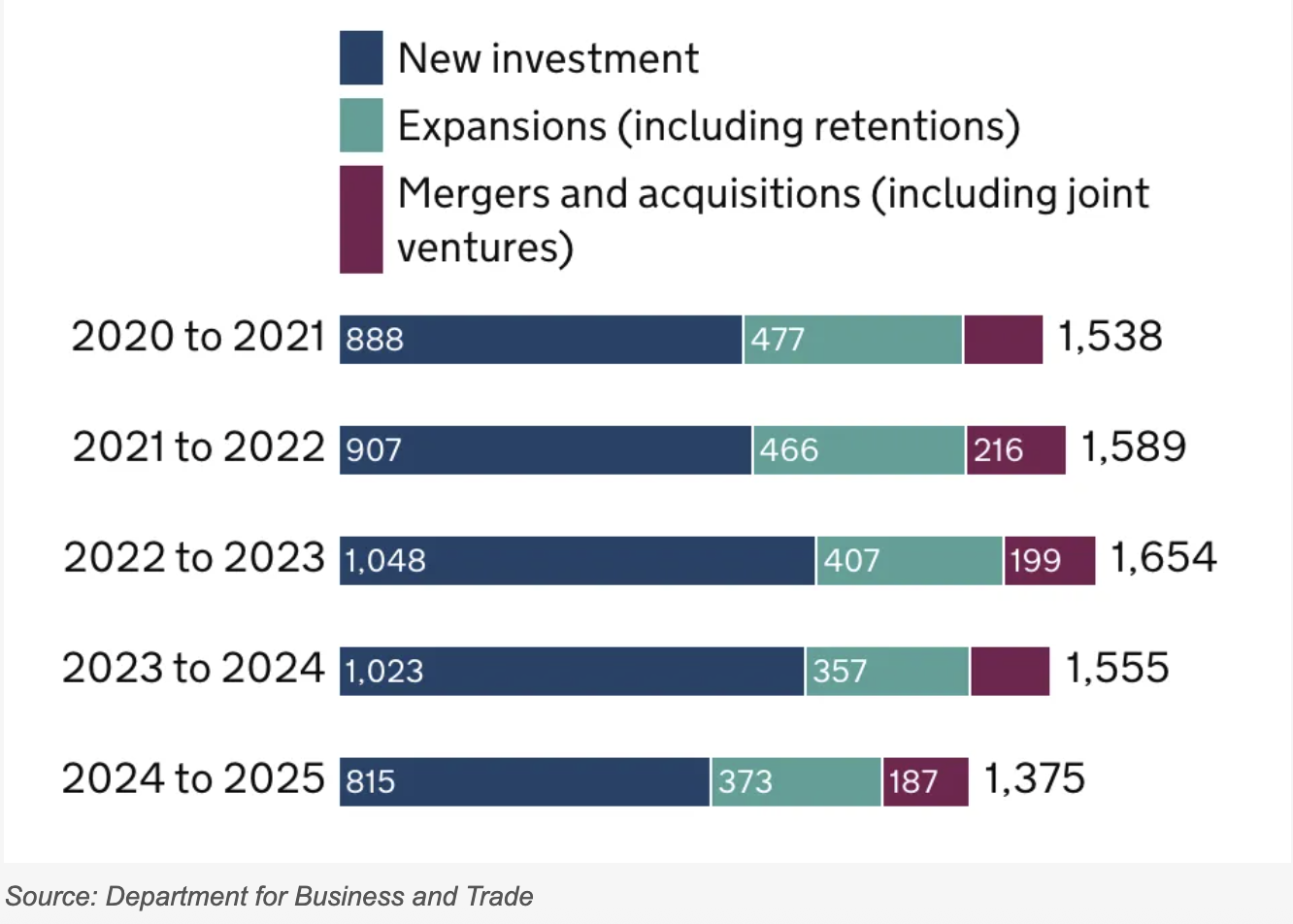
The UK has secured over £150 billion in U.S. investment, spanning financial services, AI infrastructure, nuclear energy and R&D. Microsoft alone will commit £22 billion, while Rolls Royce gains a U.S. license for advanced modular reactors. The projects promise thousands of high-paid jobs across the UK, though concerns remain about reliance on foreign capital and skill shortages.

Following the April 2nd “Liberation Day” announcement, financial markets plunged as the S&P 500, NASDAQ, and Brent crude dropped over 10%, while gold prices soared to record highs amid rising volatility and a weakening U.S. dollar.