
With a new government now in situ, the big question is, what will this mean for the job market, and what are the opportunities for the astute? The Labour party have already put forward some plans regarding how they want to change employment law. Similarly the energy industry looks like it will be getting a boost. What are the other areas to watch for?
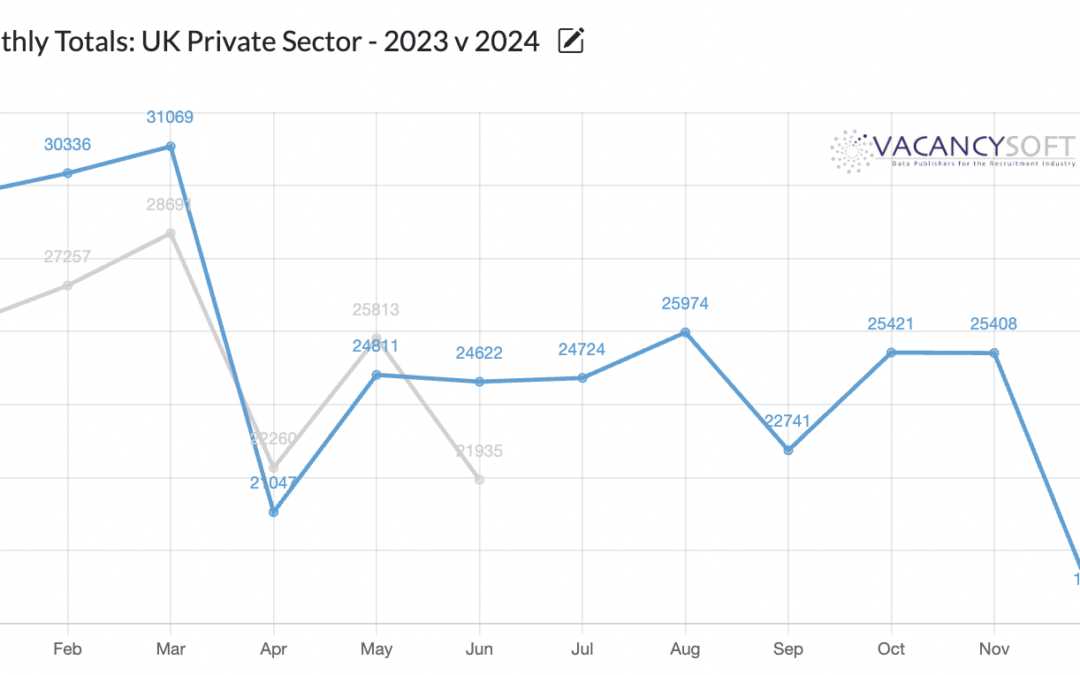
Is it the responsibility of Government to directly stimulate economic growth, or is it for them to create the environment where businesses invest themselves? Statism, or interventionist supply side policies are coming to the fore once more, and for the incoming Labour Government, there are a myriad of policy proposals designed to achieve growth.

The symbiotic relationship between London and the South East has only strengthened in recent years, as the region has become a leading global hub for the high-tech industry. However, looking at this year so far, the region has experienced a slump in jobs and recruitment, especially compared to the peak of the post-pandemic period.
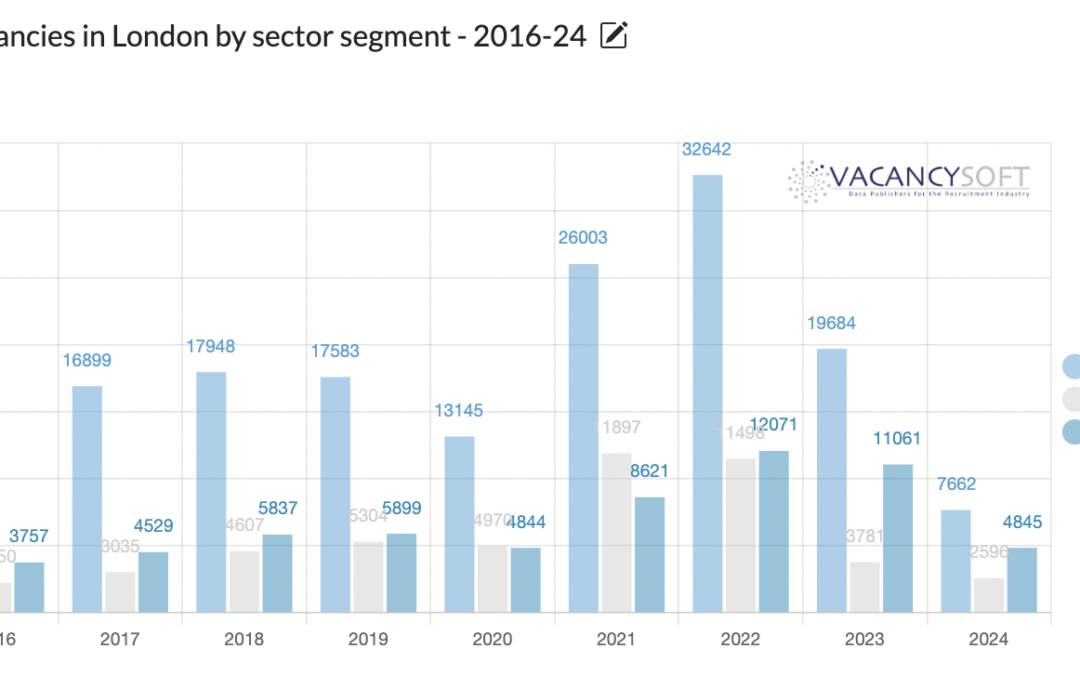
For the UK, Financial Services has a critical part to play, in terms of GDP, our balance of payments and employment. Within the Financial Services industry though, increasingly Fintech is starting to come to the fore. New challengers such as Starling, Monzo, Revolut and Wise have disrupted the incumbents and as a result, the industry has permanently changed.

London is witnessing a substantial increase in fintech job vacancies, spurred by renewed investor interest and technological advancements.