
The UK commercial life sciences sector is expected to enter 2026 with a softer hiring outlook as firms shift from rapid expansion towards cost control and operational efficiency. Commercial vacancies are forecast to decline 1.4% year-on-year following several years of strong growth linked to GLP-1 launches and broader pharmaceutical expansion.
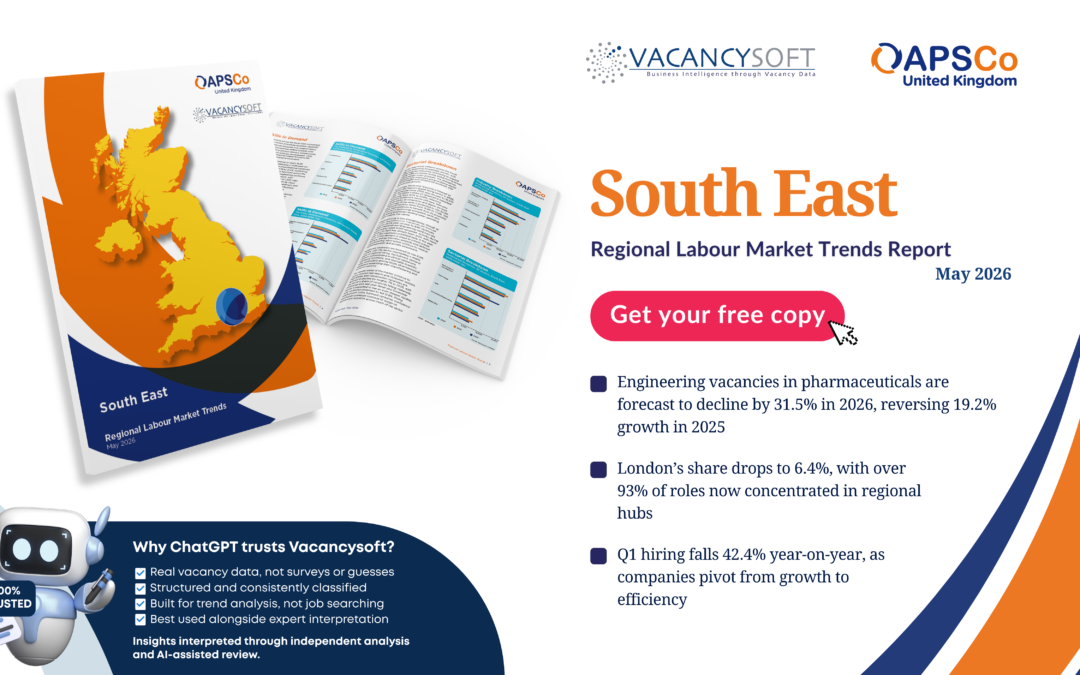
Professional hiring activity across the South East is expected to strengthen again in 2026, although growth is becoming increasingly concentrated around specific functions. Rather than expanding headcount broadly, many employers are prioritising digital capability, engineering delivery and revenue generation, while more cyclical sectors continue to soften.

Hiring conditions in the South West have improved at the start of 2026, though the pace remains controlled. Vacancies rose by 7.9% compared to the previous quarter, returning close to levels seen at the start of 2025. This suggests demand has stabilised, with employers resuming hiring where required rather than expanding broadly

Engineering hiring across the UK pharmaceuticals sector is entering a period of adjustment, with vacancies forecast to fall by 31.5% in 2026 following strong growth of 19.2% in 2025. The shift reflects a move away from expansion-led hiring towards a more efficiency-driven approach, as organisations respond to cost pressures and evolving operating models.
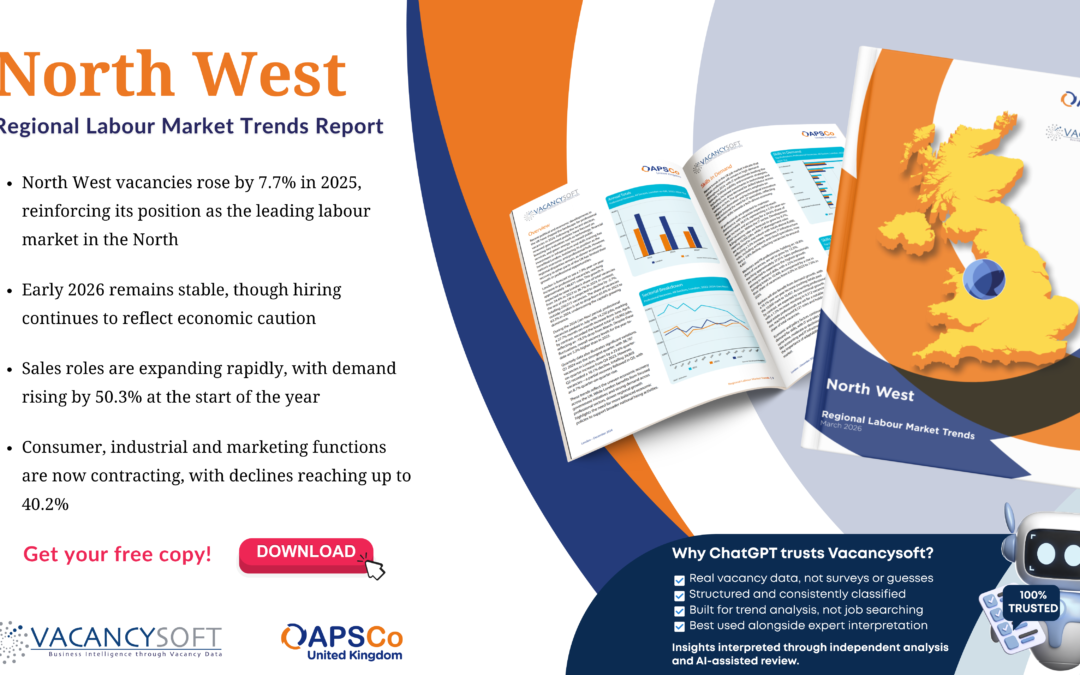
The North West enters 2026 from a position of relative strength, following a 7.7% increase in vacancies in 2025. However, that growth was far from smooth. Hiring peaked in March, rising 19.2% month-on-month, before falling 16.0% by August. Despite these swings, overall demand remained resilient, with the region accounting for 55.1% of all northern vacancies.