Trump’s familiar slogan, Make America Great Again, risks taking on a different meaning. It may come to suggest a country that stands increasingly alone. Allies are being unsettled, while rivals appear more confident. Germany is in talks with Washington over the future of American bases on its soil. France, Italy and Spain have restricted access to their airspace for military flights bound for Israel.
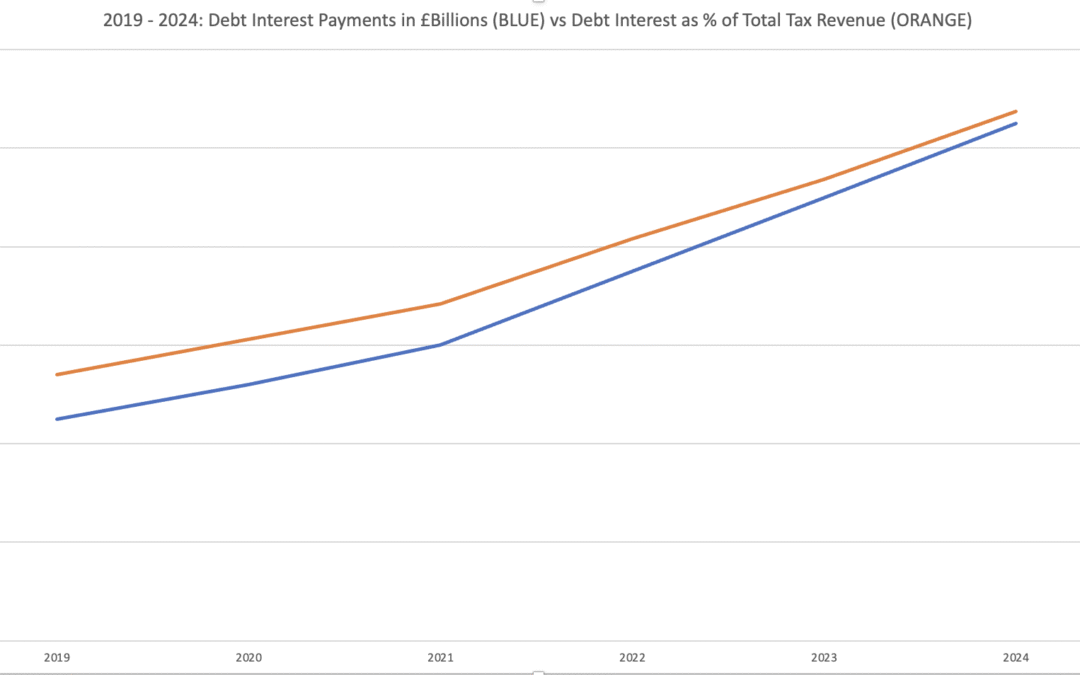
UK borrowing costs have hit a 27-year high of 5.7%, with debt interest now consuming 17.9% of tax revenues—up from 9% in 2019. Inflation-linked bonds and a widening deficit are intensifying fiscal pressure, as the government faces tough choices between tax hikes, spending cuts, and market confidence.
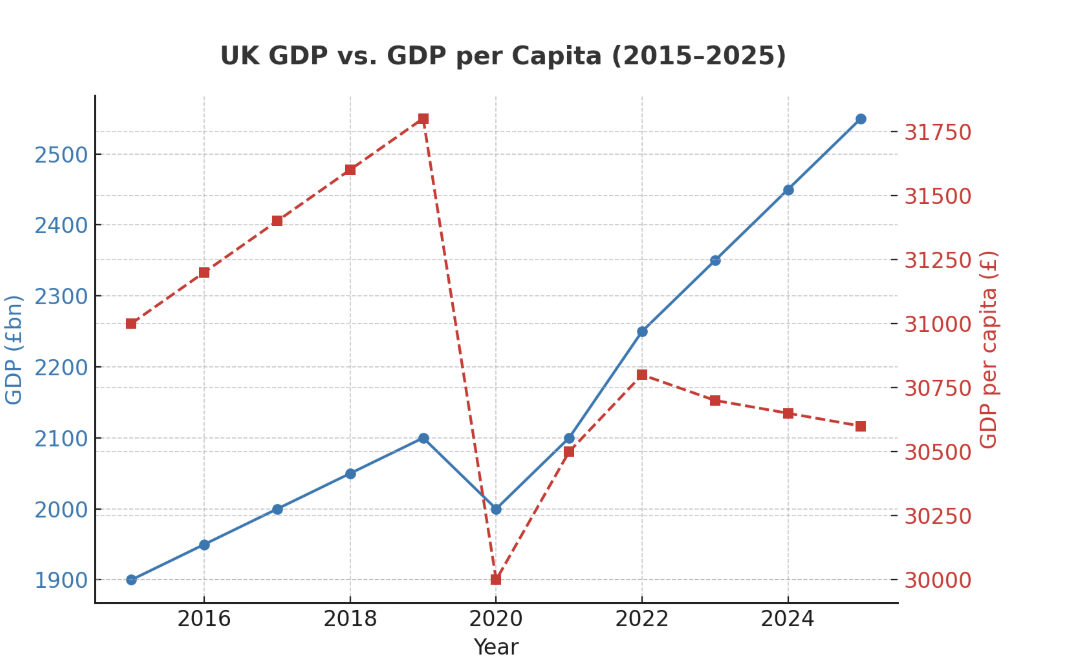
The number of young people in the UK not in education, employment or training has risen to 948,000 — a 22% increase since before the pandemic. A new government scheme promises work placements for long-term claimants, but questions remain over sanctions, job quality, and whether it tackles the deeper structural issues driving youth unemployment.
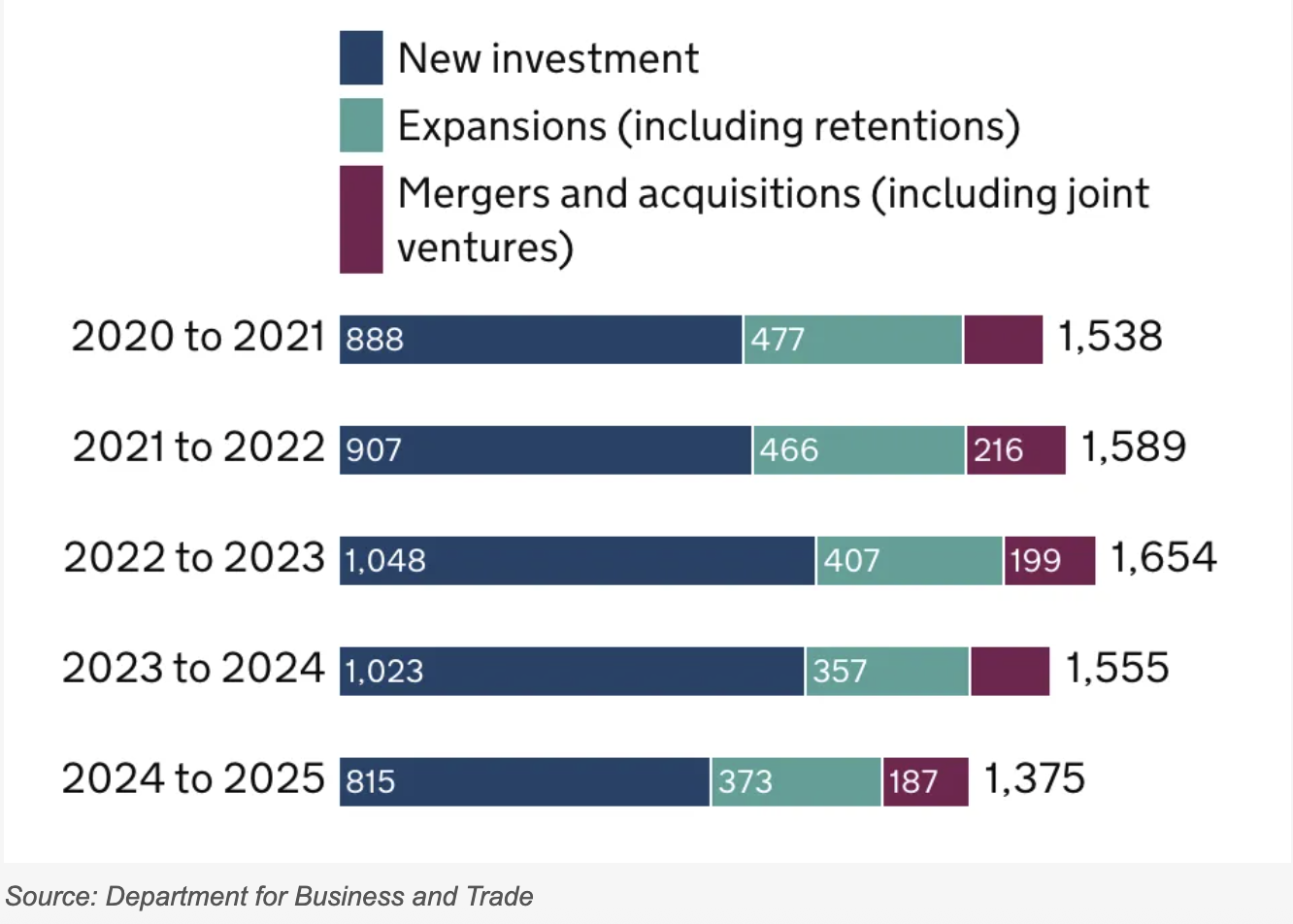
The UK has secured over £150 billion in U.S. investment, spanning financial services, AI infrastructure, nuclear energy and R&D. Microsoft alone will commit £22 billion, while Rolls Royce gains a U.S. license for advanced modular reactors. The projects promise thousands of high-paid jobs across the UK, though concerns remain about reliance on foreign capital and skill shortages.

Fourteen days into the year and the world holds its breath, as Trump prepares to retake control of the White House with a very different policy agenda to Biden. In terms of the economy overall, the USA should therefore continue to outperform other G8 countries, as the combination of tax breaks, deregulation and energy sector growth acts to boost GDP.