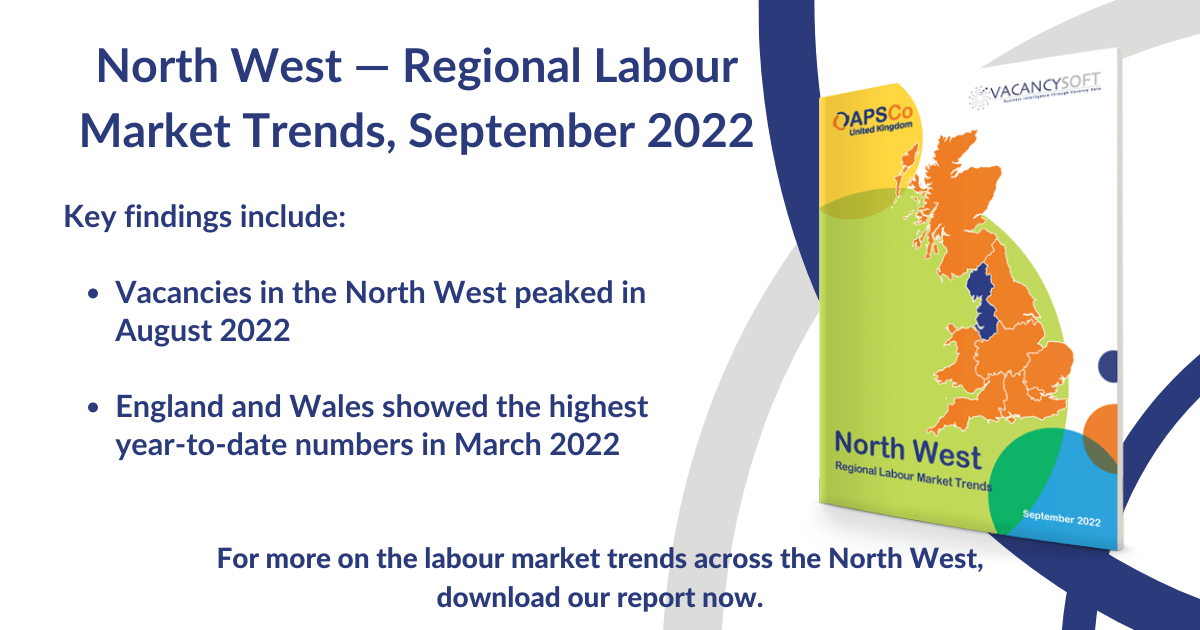
How are vacancies faring in the North West amidst the ongoing war for talent? Which cities are experiencing the biggest uplifts? And among them, how is the performance for IT jobs? What are the busiest firms? Download our most recent report to find out.
Written in partnership with APSCo, this report reviews recruitment trends for jobs in North West England. It compares the annual and monthly totals trends, observes the cities where recruitment is rising, breaks down the performance of IT-Only and Non-IT jobs, and analyses the hiring activity of the top firms.
To discover more labour market insights and the trends that drove recruitment
across the North West in the first half of 2022; download our report now.
Latest reports
Report – UK & Ireland Life Sciences Labour Market Trends
UK & Ireland - Life Sciences Labour Market Trends Report Investment Fuels a New Era of UK & Ireland Life Sciences Hiring The UK and Ireland's Life Sciences sector is entering a new phase of growth, supported by increased investment, regulatory reform...

Report – Insurtech UK Insurance Labour Market Trends
Insurtech – UK Insurance Labour Market Trends Report AI and Data Talent Reshape Insurance Technology Recruitment Technology investment continues to reshape recruitment across the UK's insurance sector. Rather than expanding IT teams across every discipline,...
Report – Employment UK Legal Labour Market Trends
Employment – UK Legal Labour Market Trends Report Employment Rights Reform Fuels Legal Hiring Across the UK The UK Employment law market is entering a period of rapid expansion as legislative reform, workplace transformation and growing regulatory complexity...