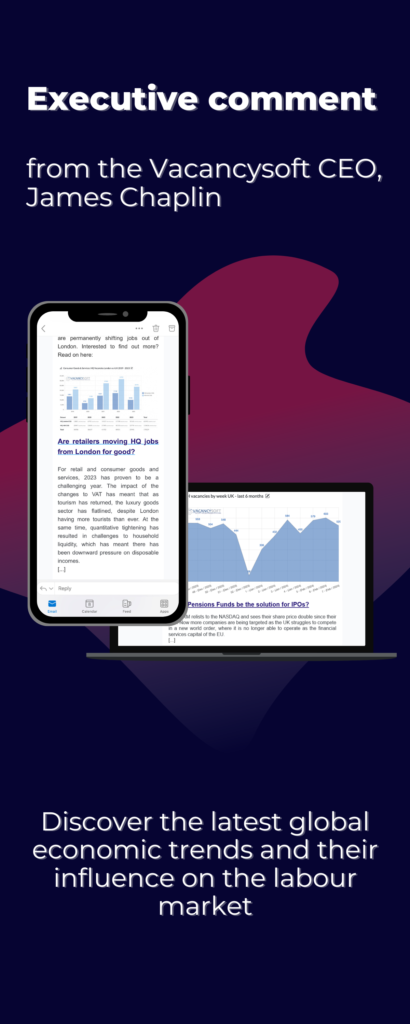
The pandemic’s long-term impact on the industry is still evident, particularly in how we work. The sudden shift from structured, on-site roles to remote work has altered workplace dynamics, with traditional business principles now being challenged, especially by younger generations. This has created challenges for HR departments as businesses face resistance to returning on-site.

With the general election now behind us, the UK economy is showing signs of acceleration. Economists are already revising their forecasts on GDP growth for this year, and the fact that Starmer has won with such a significant mandate means that there is certainty about what lies ahead for business.
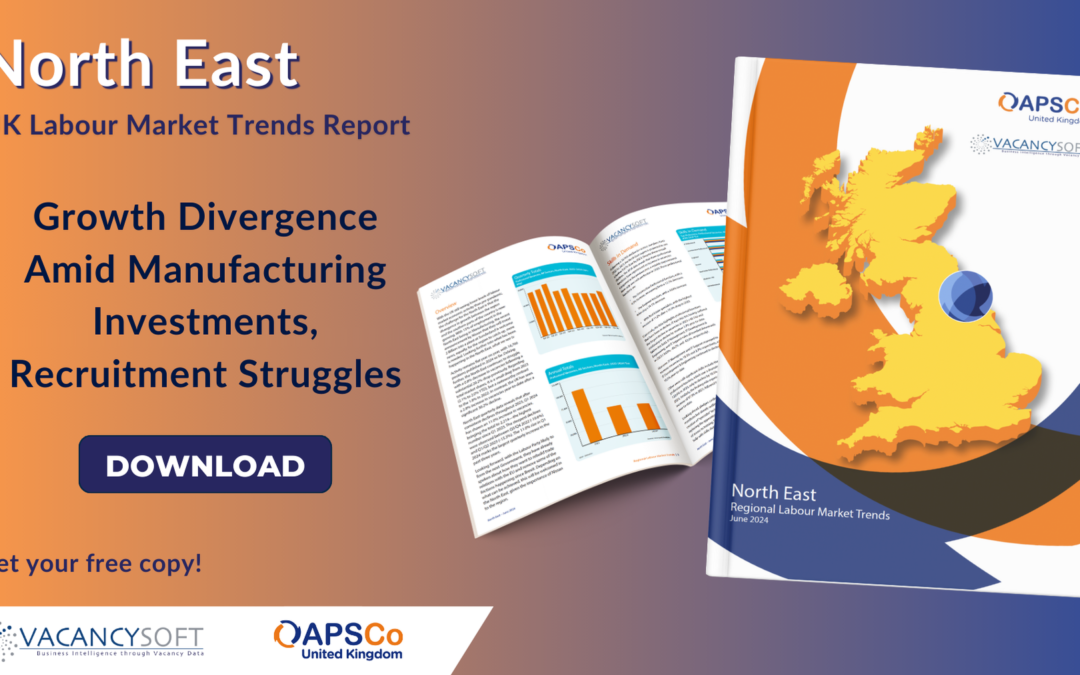
With the UK still experiencing lower levels of labour market economic activity than before the pandemic, the North East faces the challenge of a growing divergence in growth compared to the southern regions of the country.
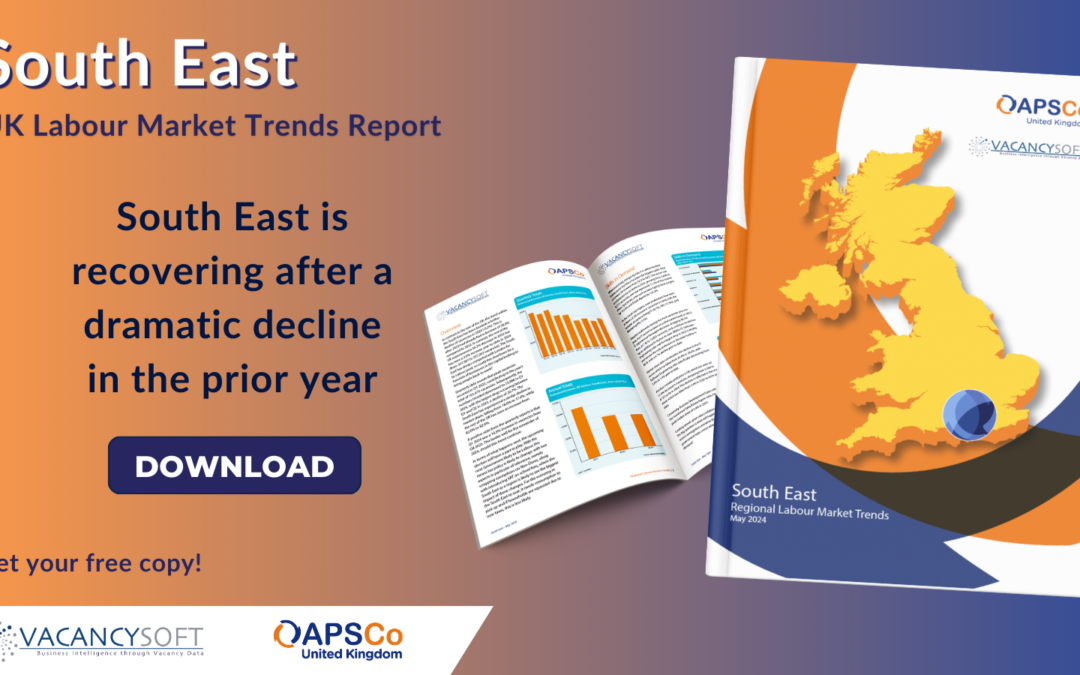
The symbiotic relationship between London and the South East has only strengthened in recent years, as the region has become a leading global hub for the high-tech industry. However, looking at this year so far, the region has experienced a slump in jobs and recruitment, especially compared to the peak of the post-pandemic period.
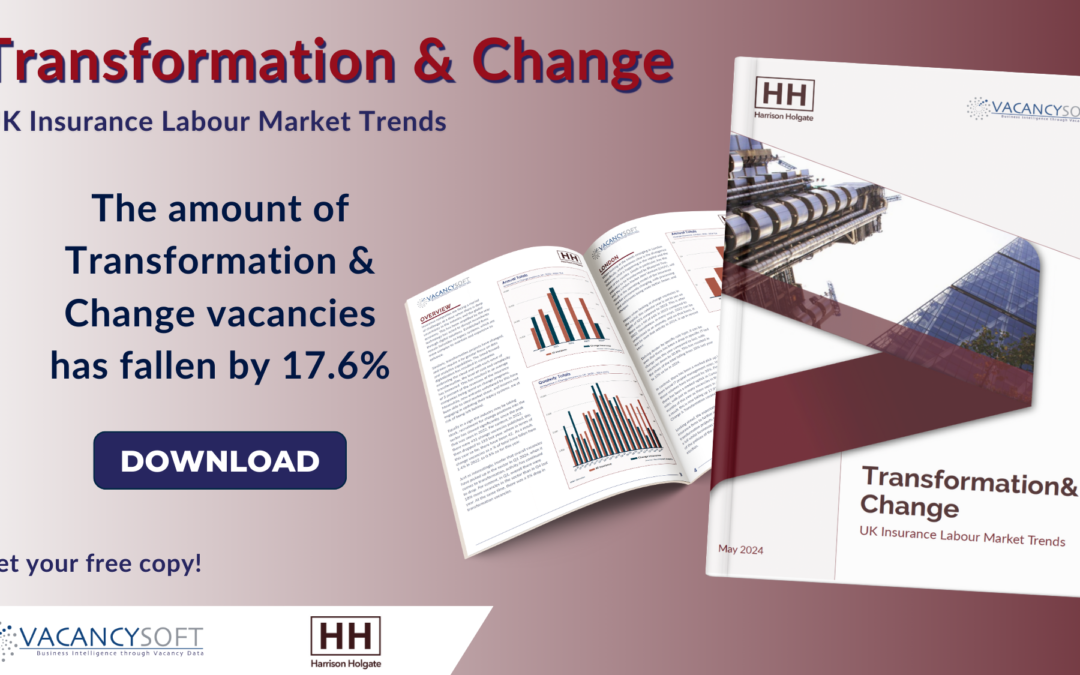
Insurance companies are facing a myriad of challenges at a time when there is deep uncertainty in the industry and the global economy. Similarly, transformation projects have changed and now require a far greater focus on data and analytics capabilities. The trend toward digitalisation has resulted in companies embracing the cloud, and with each wave of transformation, the level of cost and complexity has increased.