Trump’s stance on NATO and Greenland signals a potential collapse of US security guarantees to Europe, forcing the EU to pursue military self-reliance amid a historic transatlantic rupture. For Britain, this shift brings economic risk but may open the door to closer ties with the EU as global alliances realign.
Poland’s invocation of Article 4 after Russian drones entered its airspace highlights growing tensions on NATO’s eastern frontier. With joint Russian-Belarusian drills near Poland, the vulnerability of the Suwałki Gap, and doubts over U.S. commitment, the Alliance faces urgent choices on rearmament and deterrence.

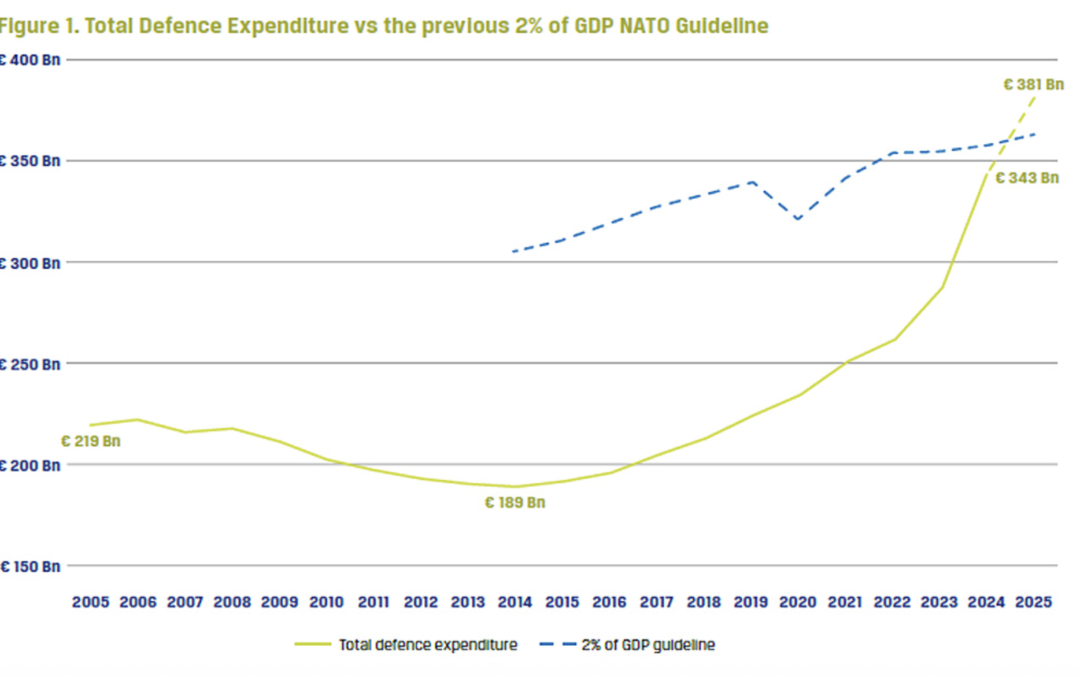
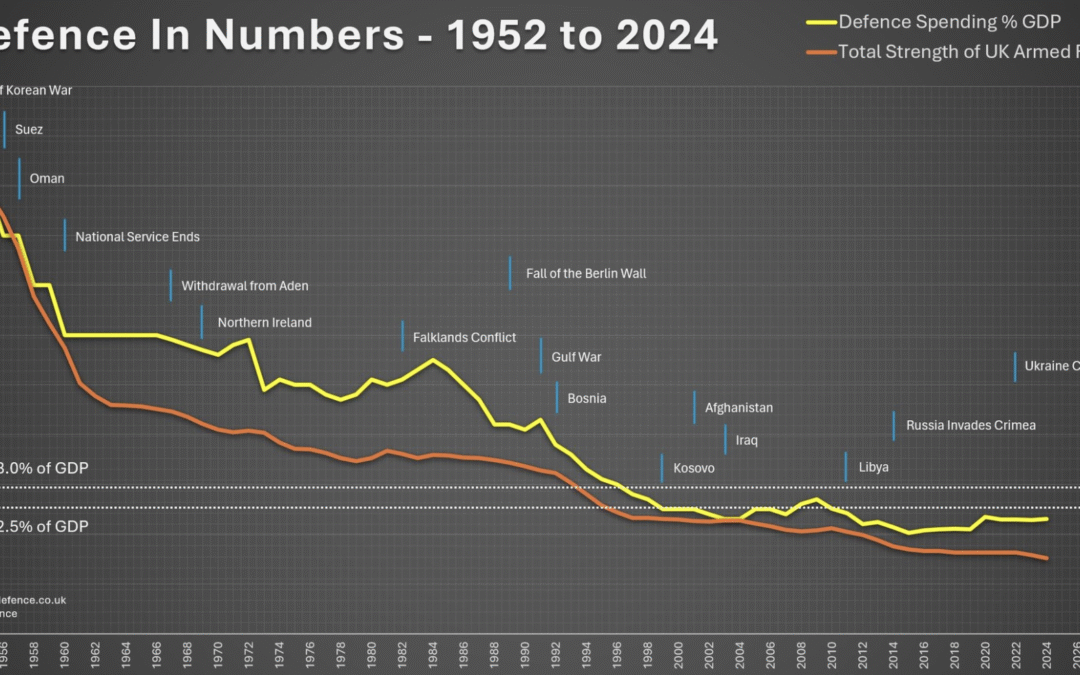
In his first public address since assuming the role of NATO Secretary-General, Mark Rutte emphasized the need for member states to adopt a “war-time mindset” and significantly increase defense spending. Reports suggest that NATO may establish a new spending target of 3% of GDP by 2030, a marked rise from the current 2% benchmark, which remains unmet by eight member nations.