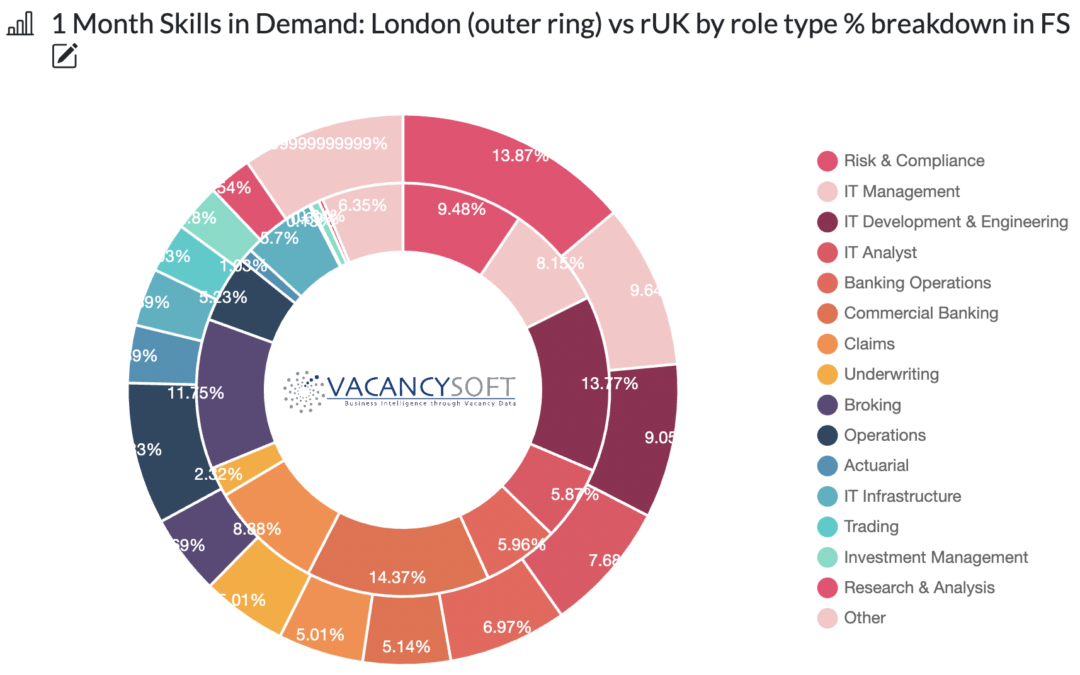
The long-term impact of COVID has yet to be felt on the economy. Equally, the societal change is already here. Work from home and hybrid is now becoming de-rigeur, where for people with London based jobs, it is increasingly a pre-requisite, especially when factoring the commute times. This is creating its own conflict within Financial Services, especially, as banks push for people to be back to work, equally are increasingly flexible about which work location is used. For example, HSBC now employs more people in Birmingham than in London.
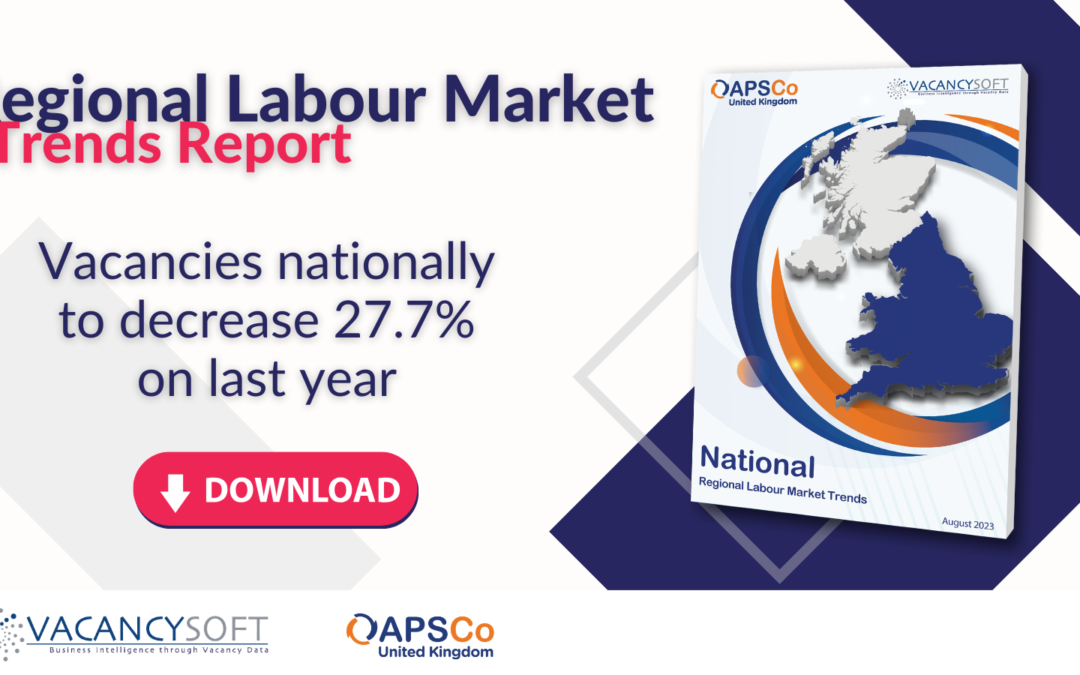
After a roller coaster period, with record numbers of vacancies in 2022, there are signs the market is now starting to normalise, where by most accounts, it is now stabilising at the levels seen in 2019, so before the pandemic according to a new report by APSCo, and labour market data analysts Vacancysoft.

Within the EU-27, the month of March 2023 witnessed the highest monthly total this year with 461 published Procurement/Supply Chain jobs. However, Q2 has seen a marked dip since then, hence the EU-27 countries are expected to undergo a decrease of 11.8% in 2023, according to Life Sciences specialists CPL, and labour market data analysts Vacancysoft.

The Real Estate Industry is starting to hit headwinds not seen in a generation, as interest rates start to rise. Insofar as the long-term average interest rate has been around 4-5%, the last decade has seen low rates and unprecedented amounts of quantitative easing which as they have ended, have meant the industry is under pressure.
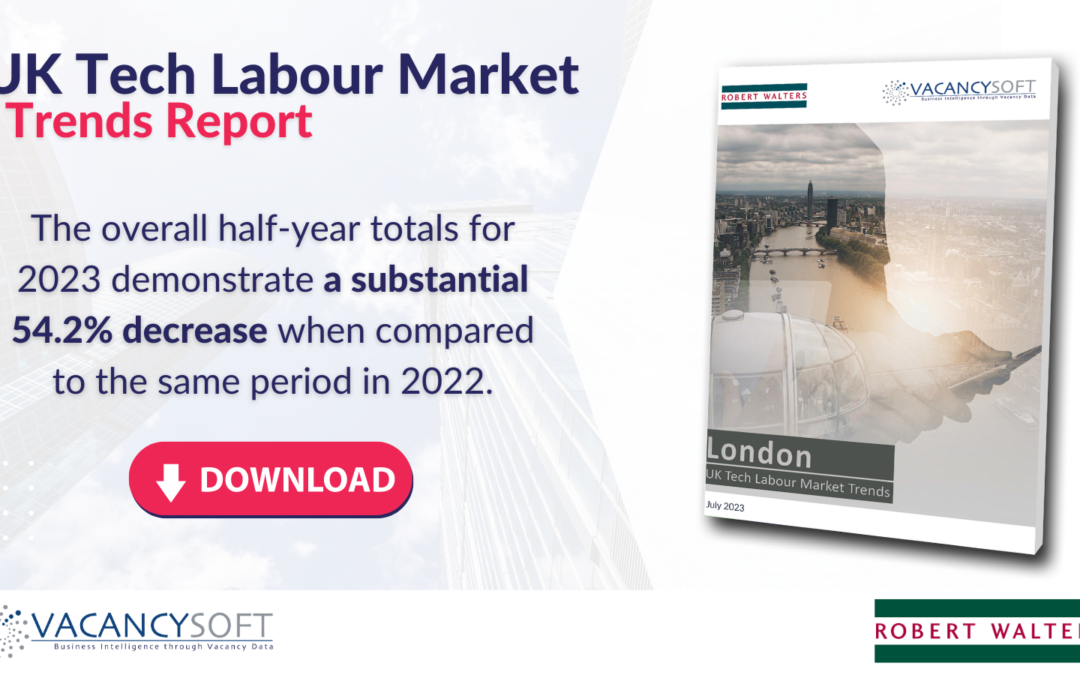
When examining the overall half-year totals for 2023, we can see a substantial 54.2% decrease when compared to the same period in 2022, where across all sectors, companies have been slowing down.