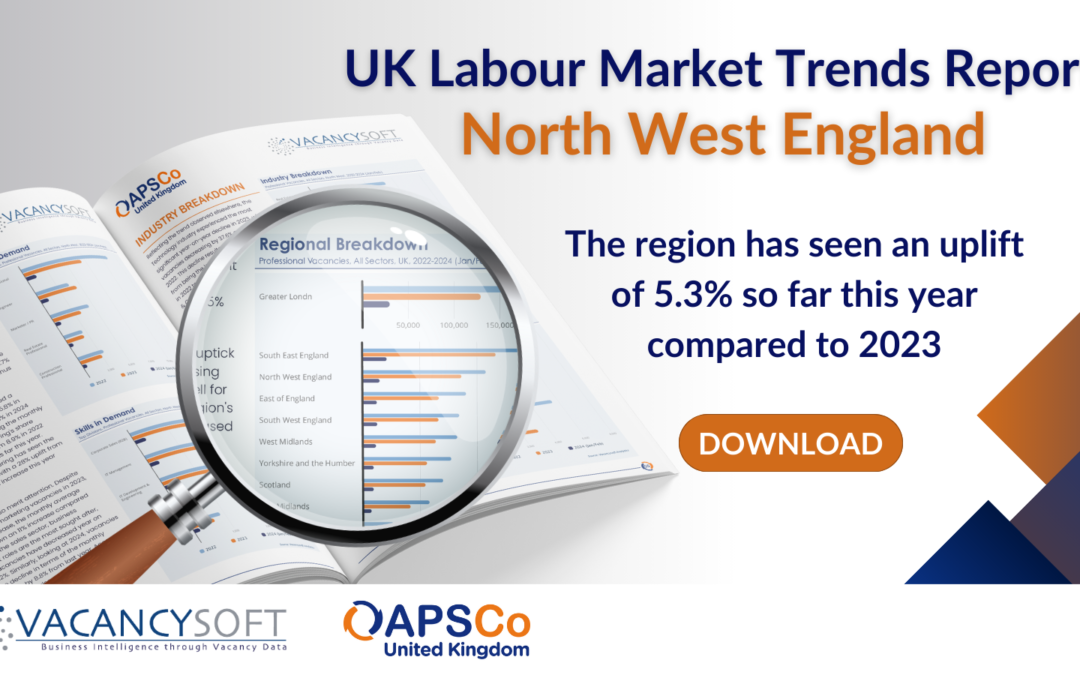
After enduring a challenging six months, which ultimately led to the UK entering a technical recession, signs of recovery are finally beginning to emerge. The North West region has managed to increase its share of the national total from 7.5% in 2022 to 8.5% in 2023. Turning to the current year, we observe an uptick in the northwest’s monthly average, increasing by 5.3% compared to 2023, which bodes well for regional recruiters.

The beginning months of 2024 have shown a decrease in recruitment compared to the post-pandemic boom seen in 2021-2023. Despite a dip in 2020 due to the pandemic, the Australian legal market experienced robust growth over the following years.

Vacancies in insurance have decreased by 15.1%, demonstrating the sector’s resilience compared to a 30% decline in financial services.

The deceleration of tech-centric sectors in London during 2023 mirrors the broader downturn experienced across the UK, with IT vacancies plummeting by 50.5% in the capital compared to 36.3% regionally. Hence the fact that demand for IT professionals has fallen 42.8% compared to the peaks seen in 2022, is a temporary blip.

At a time when the sector has been depressed by the cyclical downturn due to quantitative tightening, this has led to a drop of 34.8% in London and 19.4% regionally. Within law firms, real estate remains the top skill in demand, although its market share has slipped from 22% in 2022 to 18% in 2023. This is partly due to a hefty 37% fall in vacancies in this area in 2023 as the commercial property sector has slowed down.