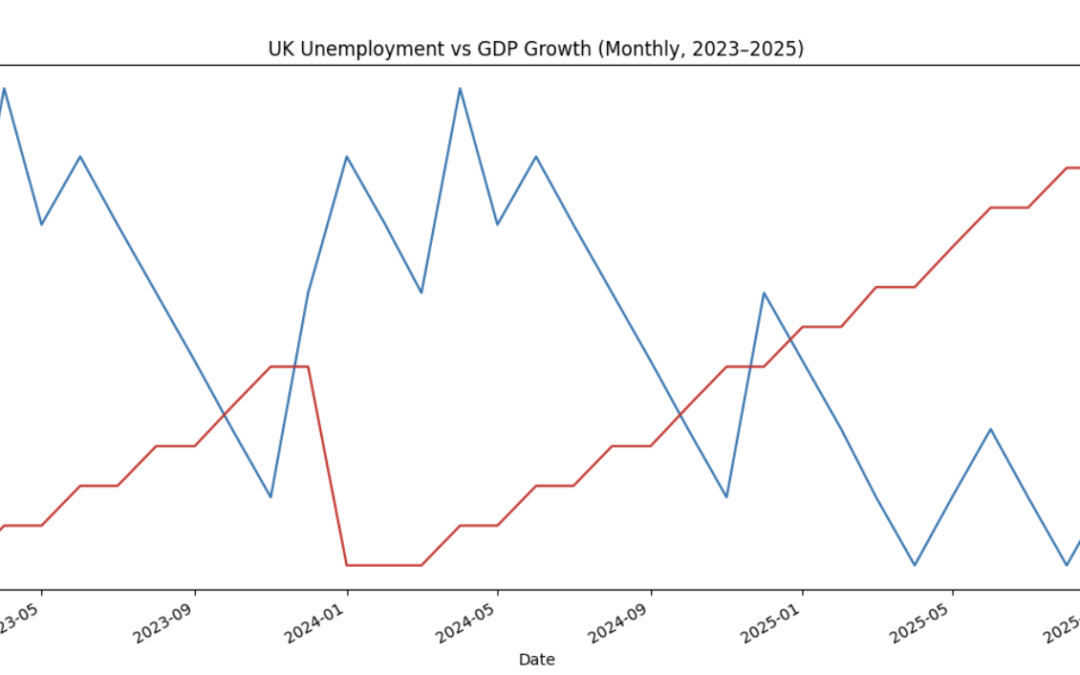
The UK economy is faltering, with rising unemployment, weak private-sector growth, and record-low business confidence. Labour’s industrial strategy has yet to deliver, leaving economic and political pressure mounting. Restoring confidence will require targeted business support, clearer regulation, and credible pro-growth policies.

This report examines how global pricing pressure is driving a 9.6% decline in UK Medical Affairs hiring for 2025, with London remaining resilient and Wales surging. It highlights the contraction among major pharma, contrasted with growth in CROs and biotechs, and shows how AI is reshaping support roles while core scientific expertise remains in demand.

This report analyses how FinTech is reshaping the UK’s Risk & Compliance labour market, with vacancies up 26.2% as demand shifts toward Financial Crime and Credit Risk expertise. It contrasts this growth with banks’ continued downsizing of oversight teams and highlights London’s dominance alongside rising regional and hybrid hiring models.

With the Budget approaching, concerns are growing over how the Chancellor will address the widening fiscal gap and restore business confidence. Early IS-8 investment figures are strong, with major commitments in AI, defence and automotive, while further measures to revitalise Financial Services are expected. Wednesday’s announcements will be closely watched for their impact on growth, competitiveness and the wider economy.
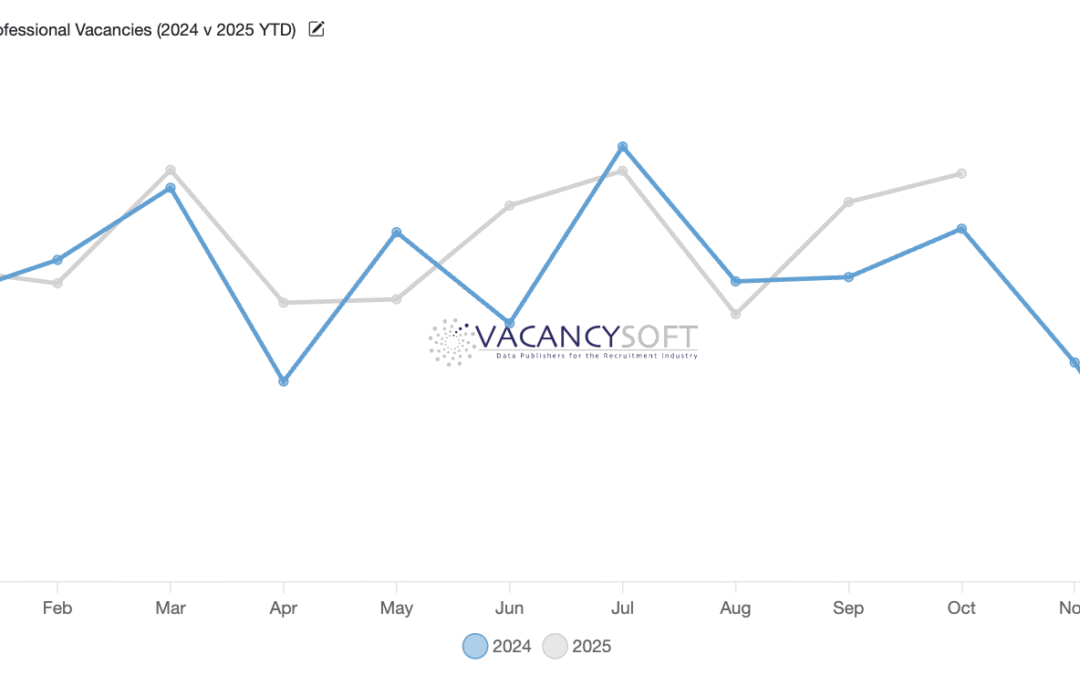
The UK’s new Industrial Strategy (IS-8), launched in June 2025, commits over £86 billion to boost productivity, innovation and competitiveness across eight key sectors — from Clean Energy to Life Sciences. Early indicators show rising investment and job creation, particularly in AI, Energy and Defence, as the government accelerates efforts to drive industrial growth.